Reiki in Northeast Ohio: Nervous System Regulation for Medina, Brunswick, Wadsworth, & Medina County.
Many people find Reiki through word of mouth from a friend or family member who claims, “It helped me relax in a way nothing else has.”
Others find Reiki while searching for ways to manage chronic stress, anxiety, or burnout.
Reiki has long been practiced as a traditional Japanese energy healing, but growing interest in nervous system regulation and integrative medicine has brought Reiki into hospitals, research studies, and wellness clinics around the world.
At Spacious Roots, Reiki sessions are offered in person at our Medina, Ohio location, serving Medina, Akron, and the greater Cleveland-Akron area. My work integrates Reiki through the lens of nervous system regulation and somatic processing, helping the body shift out of chronic stress patterns and back toward balance.
Take a closer look below at what Reiki is as a spiritual practice, what the science says about how it helps the nervous system, and what you can expect during a session.
What Is Reiki?
Almost all cultures throughout history have recognized that the body contains an inner spark of “life,” -an energy that supports vitality, balance, and well-being. Indigenous healing traditions in each part of the world have embraced the relationship between energy, nature, and spirit. Language and practices vary across cultures, but the core belief that health and wellness call for the flow and balance of life force energy is the common thread that unites all energy healing practices.
As it is practiced today, we can trace the roots of modern Reiki to the early 20th century in Japan through the teachings of Dr. Mikao Usui. Sensei Usui developed a system of hands-on healing techniques and meditation practices designed to support balance within the body, mind, and spirit. His approach eventually became known as Usui Reiki, the most widely practiced form of Reiki today.
The word Reiki (ray-key) comes from two Japanese characters:
Rei – spiritual wisdom
Ki – life energy or vital force
Reiki is the life force energy that flows through all living things.
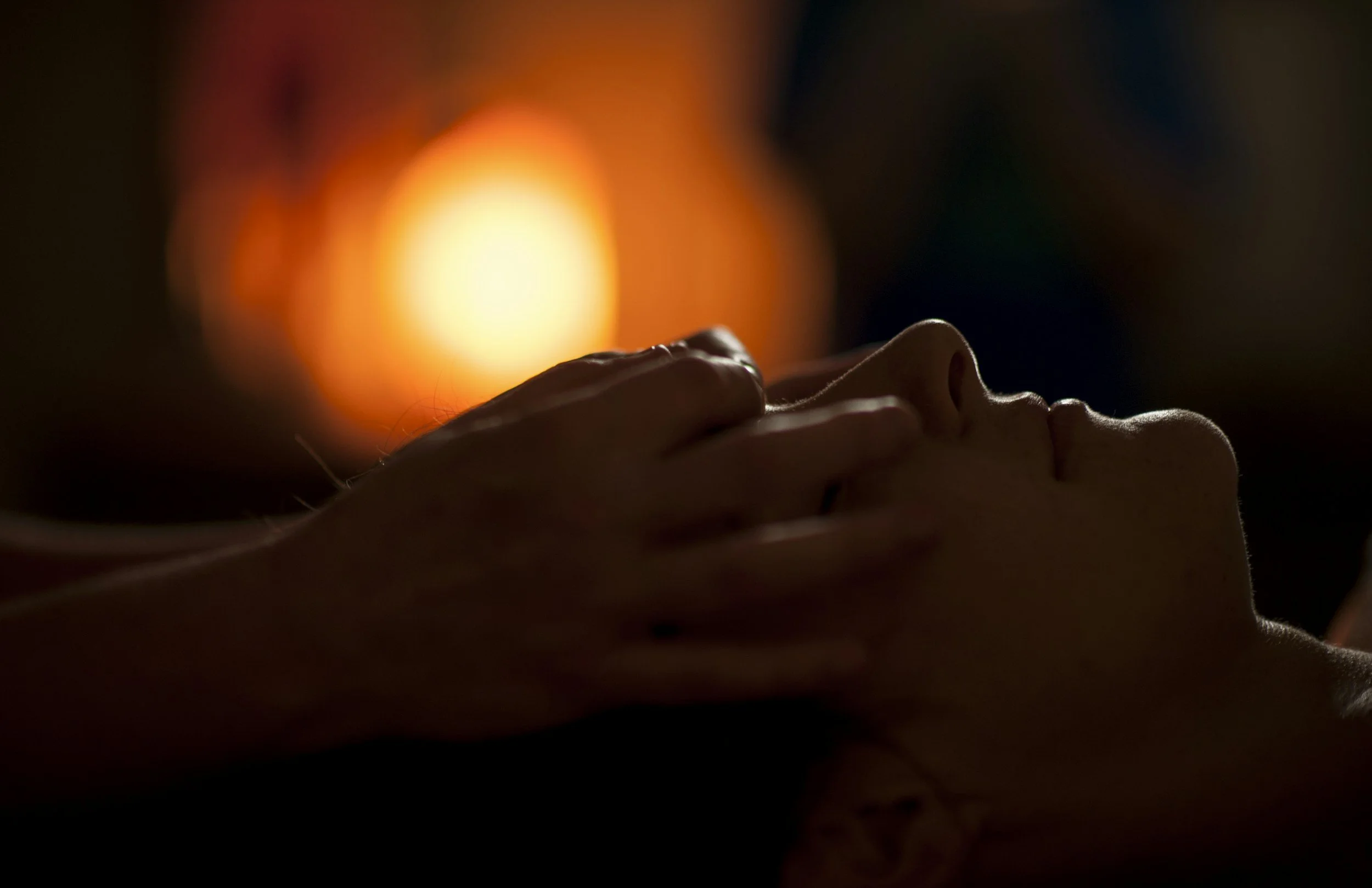
During a Reiki session, the practitioner gently places their hands lightly on or just above the body. The intention is not to manipulate muscles or tissues, but to create a calm and supportive environment where the body can naturally enter its deeply restorative parasympathetic state.
Clients often experience sensations such as warmth, tingling, gentle pulsing, emotional release, and a deep sense of relaxation. Others simply notice that their bodies begin to soften and relax in ways previously unavailable.
Although Reiki has traditionally been understood through energetic and spiritual frameworks, modern research has begun exploring how practices like Reiki influence the body’s nervous system and its ability to regulate stress and relaxation. This has bridged Reiki into integrative health programs and clinical research settings around the world.
In my work at Spacious Roots, Reiki is practiced through a somatic and nervous-system lens, helping clients reconnect with their bodies and access states of safety, regulation, and restoration.
How Reiki Can Support Nervous System Regulation
The subconscious body regularly and faithfully senses our environment for signs of safety or danger. When the body perceives threat, it activates protective states like fight, flight, fawn, or freeze. These states are highly intelligent, subconscious, and necessary for survival, but when they remain chronically activated, the nervous system shifts into a more persistent pattern of dysregulation.
This chronic internal stress can lead to symptoms such as:
anxiety and depression
sleep disturbances
chronic pain and muscle tension
adrenal fatigue and burnout
digestive issues
emotional eating and blood sugar dysregulation
Research suggests that Reiki can support the body in accessing parasympathetic nervous system activation, often called the “rest and digest” state, which plays an important role in restoring the body’s natural healing abilities.
For example, a randomized controlled study examining Reiki for patients recovering from knee replacement surgery found that participants receiving Reiki experienced significant reductions in pain and lower physiological stress indicators compared with control groups (Baldwin et al., 2017).
A systematic review published in Pain Management Nursing also found that Reiki interventions were associated with reductions in pain and anxiety levels across multiple clinical populations (Thrane & Cohen, 2014).
Additional studies exploring Reiki programs for healthcare workers and hospital patients have reported improvements in:
stress
fatigue
anxiety
overall wellbeing (McManus, 2017; Vitale, 2010).
While research in biofield therapy and energy medicine is still evolving, these findings support Reiki as a legitimate practice for nervous system regulation that helps shift out of survival states.
This shift creates the conditions where the body can begin reorganizing itself naturally.
What Happens During a Reiki Session?
If you have never experienced Reiki before, it can help to know what to expect.
Sessions with Madison, owner of Spacious Roots, are designed to be calm, gentle, and supportive so that your nervous system can gradually settle.
1. Arrival and Brief Check-In
Each session begins with a short check-in about how you’re feeling physically or emotionally. This helps guide the session and allows space for any questions.
2. Settling the Nervous System
We begin with you lying comfortably on a treatment table, fully clothed, while gentle music creates a calming atmosphere.
Madison will walk you through a short settling practice (think guided meditation) to help your mind and body gently arrive and prepare for the session.
3. Reiki Session
If you are okay with touch, light contact is made on the head, shoulder, knees, and feet with gentle hand placements. For more sensitive areas of the body, such as the chest or stomach, hands are kept slightly above the body, and you still receive all the benefits. Session can be done touch-free if preferred.
Sessions often begin at the crown of the head, then gradually move through different areas of the body. While there are traditional hand positions associated with the body’s energy centers, Madison also takes an intuitive approach, allowing the session to follow what feels most supportive for your nervous system in that moment.
Throughout the session, clients are invited to simply rest. Some people drift into a deeply relaxed or sleep-like state, while others remain awake and notice sensations, thoughts, or emotions moving through. Both experiences are completely normal. Reiki sessions are meant to be a quiet and restorative space where the body can relax, process, and settle at its own pace.
4. Integration
At the end of the session, we take a few minutes to gently transition back and reflect on any sensations or observations that came up for you and from your practitioner.
Many people leave feeling:
deeply relaxed
mentally clearer
physically lighter
Others notice shifts in sleep or stress levels over the following days.
Who Can Reiki Help?
People seek Reiki for many different reasons. In my practice, clients often come because they feel chronically stressed, disconnected from their bodies, or out of alignment with life.
Reiki may be supportive for individuals experiencing:
chronic stress, anxiety, and depression
burnout and emotional exhaustion
adrenal fatigue
sleep challenges and difficulty relaxing
physical tension and pain
a desire for deeper body awareness
Reiki is not intended to replace medical or psychological care. Instead, it functions best as a complementary practice that supports the body's natural healing processes.
Because my work integrates somatic education and nervous system awareness, sessions often include gentle guidance that helps clients better understand their own stress responses and body signals.
Reiki and Integrative Medicine
While scientists are still working to understand the exact mechanisms behind Reiki, interest has grown within the field of integrative medicine, where complementary practices are used alongside conventional medical care to support patient well-being. Many hospitals now offer Reiki as part of broader programs designed to help patients manage stress, pain, and the emotional demands of illness.
In Northeast Ohio, both University Hospitals Cleveland Medical Center and the Cleveland Clinic have incorporated Reiki within integrative health services or supportive care programs. These services are often used to help patients relax before or after medical procedures, manage treatment-related stress, and support overall comfort during hospitalization.

Meet Your Practitioner
Madison Denk is the founder of Spacious Roots and a 14th-generation Reiki Master/Teacher of the Usui lineage. Her work blends intuitive energy healing with body-based approaches that support stress recovery and nervous system regulation.
As a proud professional member of the Center for Reiki Research, Madison stays engaged with emerging clinical literature exploring Reiki and integrative healing practices.